
Correo electrónico : sales@topaquasystem.com
Teléfono : +86 20 8174 9697
Correo electrónico : sales@topaquasystem.com
Teléfono : +86 20 8174 9697

Multilayer pipe systems are winning jobs across Europe. They cut total installed costs, install faster, and meet strict EU standards. You get metal strength and plastic flexibility in one product. Expect fewer fittings, fewer callbacks, and fewer headaches. Contractors who switch report lower total installed cost, not just lower material cost. These multilayer pipe advantages drive real savings. TOPAQUA multilayer pipe systems deliver these benefits from the first roll to the final pressure test.
Multilayer pipe systems cut total installed costs by 20-40% compared to copper and steel.
These systems install faster with fewer fittings and connections, reducing labor and callbacks.
They meet European standards for safety and work for heating, plumbing, and cooling.
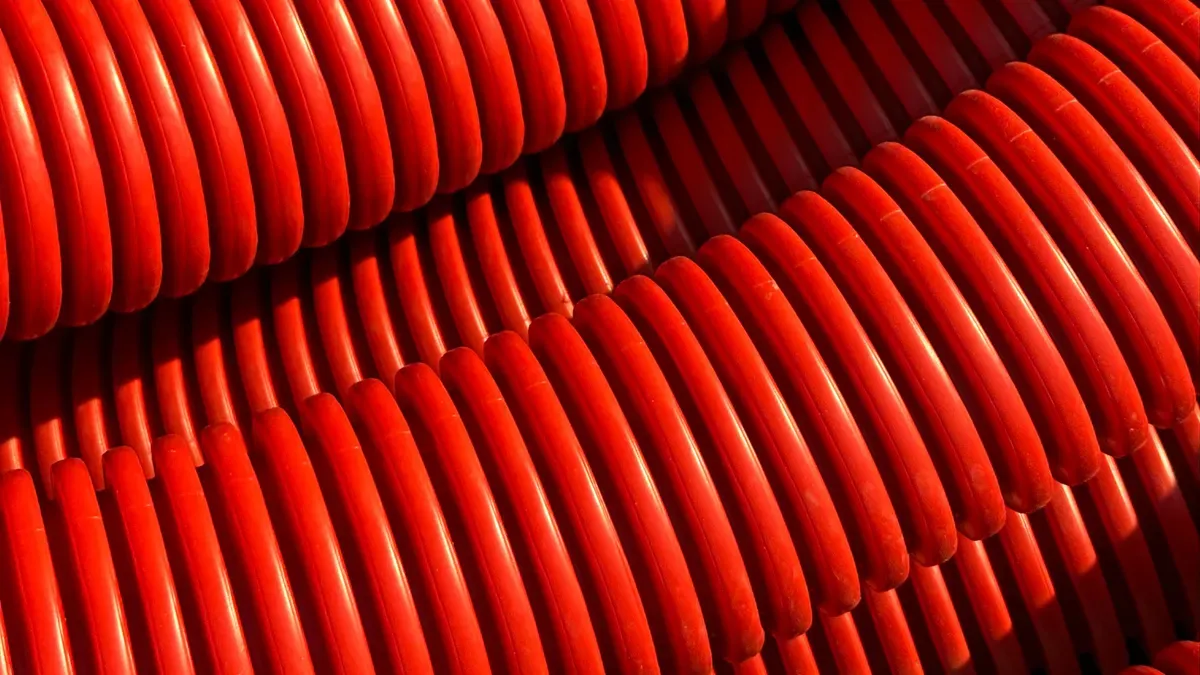
You already know the sticker price of a pipe tells only part of the story. The real number that matters is your total installed cost. That number includes material, labor, fittings, callbacks, and the time your crew spends on every connection. Multilayer pipe advantages show up across all of these categories. TOPAQUA engineered its multilayer systems to attack every cost driver on your project, not just the one on the invoice.
Copper prices swing hard. One month you quote a job at a comfortable margin. The next month, copper spikes and that margin disappears. Steel carries similar volatility, and both metals demand premium pricing from suppliers who know you have limited alternatives.
Multilayer pipe changes that equation. The core is aluminum, and the inner and outer layers are polyethylene. These materials cost far less than copper or steel at the raw level. You pay less per meter, and you lock in more predictable pricing across the life of a project.
The savings compound when you factor in fittings. Copper and steel systems need a fitting at every joint, every bend, and every transition. A multilayer system bends around obstacles by hand. You skip dozens of fittings on a typical residential or commercial run. Each fitting you eliminate removes both a material cost and a potential leak point.
TOPAQUA multilayer pipe gives you a material cost profile that stays stable. You quote with confidence. You protect your margin from commodity swings. That stability alone makes a strong case for switching your default spec.
Labor eats more of your project budget than any other line item. A pipe system that installs faster directly reduces your biggest cost. Multilayer pipe delivers that speed in several ways.
First, the pipe bends. You route it around corners, columns, and existing infrastructure without cutting and joining. A copper run that needs six elbows becomes a single continuous multilayer run. Your installer finishes in minutes instead of hours.
Second, the connection method is fast. Press tools and compression fittings let one person make a secure joint in seconds. You do not need a torch, a hot work permit, or a fire watch. That removes coordination overhead from every job site.
Third, you cut callback risk. Every joint is a potential leak. Fewer joints mean fewer leaks. Fewer leaks mean fewer return trips to a finished building. Callbacks destroy your schedule and your reputation. They also cost you money you already counted as profit.
TOPAQUA designs its fittings and tools for one-pass reliability. Your crew makes the connection, pressure-tests the line, and moves on. That rhythm keeps your projects on schedule and your clients satisfied.
Now add it all together. Material costs drop. Labor hours drop. Fitting counts drop. Callback rates drop. Each of these multilayer pipe advantages feeds the next one. The result is a total installed cost that beats copper and steel on almost every project type.
Consider a typical comparison for a mid-size residential project:
|
Cost Factor |
Copper System |
TOPAQUA Multilayer System |
|---|---|---|
|
Material per meter |
High, volatile |
Low, stable |
|
Fittings per run |
Many |
Few |
|
Labor hours |
High |
Low |
|
Torch and hot work permits |
Required |
Not required |
|
Callback risk |
Moderate to high |
Low |
|
Total installed cost |
Baseline |
20-40% lower |
The table tells a clear story. You save on the invoice. You save on the clock. You save on the return visits that never appear in your original bid. Contractors who track their numbers see the difference within the first few projects.
TOPAQUA builds every component to support this cost advantage. The pipe, the fittings, and the press tools work as one system. You get consistent results across every crew and every job site. That consistency turns a lower bid into a higher margin.
When you bid your next project, run the total installed cost calculation. Include labor, fittings, callbacks, and schedule impact. The multilayer pipe advantages will show up in every column. That is why European contractors keep making the switch.
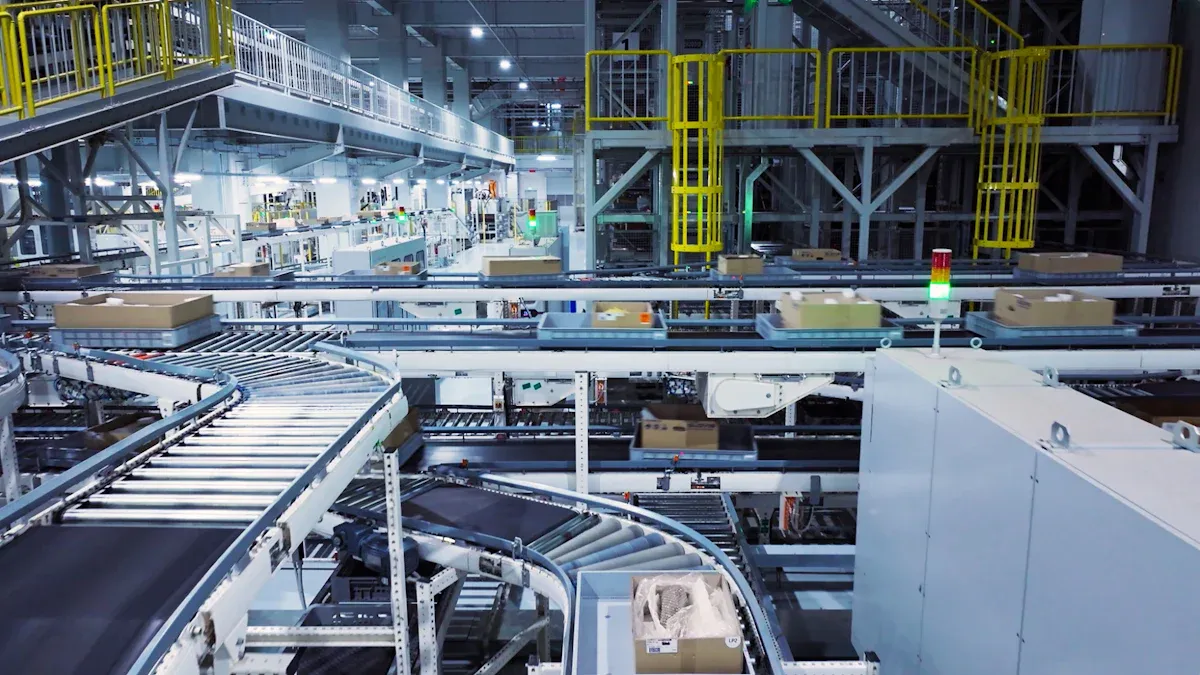
Speed separates profitable projects from break-even ones. Every hour your crew saves on installation flows straight to your bottom line. Multilayer pipe systems deliver speed at every stage of the job. The pipe bends, the connections press, and the tools stay simple. TOPAQUA built its multilayer systems around this principle. You finish runs faster, test sooner, and hand over the building ahead of schedule.
Rigid pipe forces you to cut and join at every direction change. A copper or steel run through a ceiling void might need eight elbows, four couplings, and two reducers. Each fitting adds material cost, labor time, and a potential leak point. Flexible multilayer pipe eliminates most of that work.
The pipe bends by hand. You route it around beams, columns, and ductwork without cutting. A single continuous length replaces what would otherwise be a chain of pipe segments and fittings. Your installer pulls the pipe from the roll, bends it to shape, and secures it with clips. The entire run takes shape in minutes.
This flexibility delivers one of the clearest multilayer pipe advantages on any job site. You carry fewer fittings in your van. You spend less time measuring, cutting, and deburring. You reduce the number of joints that could fail during the pressure test. Every bend you make by hand removes a connection from the system.
The savings multiply across a large project. A hotel with two hundred bathrooms needs thousands of direction changes. Flexible pipe turns those changes into simple bends. Your crew moves faster, and your material list shrinks. TOPAQUA pipe holds its shape after bending, so the run stays clean and secure without extra supports at every turn.
Connection speed determines how fast your crew completes a zone. Soldering copper takes time. Welding steel takes even longer. Both methods require heat, permits, and a skilled hand. Press-fit multilayer systems change the equation entirely.
A press tool makes a secure joint in seconds. Your installer slides the fitting onto the pipe, positions the jaw, and pulls the trigger. The tool crimps the fitting onto the pipe with a calibrated force. The connection is complete, permanent, and ready for testing. No flame, no flux, no waiting for the joint to cool.
The evidence from press-fit technology supports this speed advantage. With TrustPRESS® press-fits, connections can be made in a fraction of the time required for welding or soldering pipes. In addition, much less training is required to operate the press tool compared to welding, brazing or soldering.
Fewer connections also mean fewer leaks. Every joint you eliminate removes a failure point. A flexible run with two press fittings replaces a rigid run with ten soldered joints. Your pressure test passes on the first attempt more often. You avoid the callback that sends a crew back to a finished building.
Press tool capacity covers the full range of typical projects. Compact press tools can handle pipes up to 28/32 mm in diameter. The Multipipe MLCP press system requires a 15KN press tool for sizes up to 32 mm. A 32KN press tool is needed for sizes up to 110 mm. You match the tool to the pipe size and complete the run without switching methods.
TOPAQUA fittings and pipe work together as a calibrated system. The press jaw compresses the fitting onto the pipe with consistent force every time. Your crew gets the same reliable connection on the first fitting and the hundredth. That consistency keeps your schedule intact and your leak rate near zero.
You do not need to rebuild your tool inventory to install multilayer pipe. Press tools and standard plumbing hand tools handle the job. Your existing crimping equipment may already cover the pipe sizes you use most.
|
Tool Model |
Crimping Type |
Crimping Range |
Die Sizes |
Die Type |
|---|---|---|---|---|
|
RH-4452 |
Hydraulic |
16 - 32 mm |
— |
— |
|
RH-4451 |
Hydraulic |
10 - 300 mm |
— |
— |
|
RH-4450 |
— |
— |
16, 20, 25, 32 mm |
Round |
These tools cover the common range for residential and light commercial work. The RH-4452 handles pipes from 16 to 32 mm with hydraulic crimping. The RH-4451 extends that range from 10 to 300 mm for larger projects. The RH-4450 uses round dies in the four most common sizes. You pick the tool that matches your project scope.
Press jaw compatibility depends on the pipe material. Multilayer pipe uses the same press profiles as other common systems.
|
Pipe Material |
Standard |
Compatible Pressfit Jaw Profile |
|---|---|---|
|
Plastic Pipes |
BS EN |
M Profile, TH Profile |
|
Copper Tubes |
BS EN |
V Profile, M Profile |
|
Stainless Steel Pipes |
BS EN |
V Profile |
Multilayer pipe works with M Profile and TH Profile jaws. If you already own a press tool for plastic pipe systems, you likely have the right jaw set. You add multilayer pipe to your offerings without buying new equipment. That compatibility removes the biggest barrier to switching.
Training time stays short. Press tools require far less skill than soldering or welding. A new apprentice can make reliable connections after a brief demonstration. You do not need a certified welder on every crew. You do not need hot work permits that delay the job. You press the fitting and move to the next connection.
TOPAQUA supports this tool-friendly approach. The system works with standard press tools and jaw profiles. Your crew uses the equipment they already know. The learning curve stays flat, and your productivity climbs from the first day.
The installation efficiency gains stack up across every project. Flexible pipe cuts fittings. Press connections cut labor. Tool compatibility cuts training. Each multilayer pipe advantage reinforces the others. You finish faster, test cleaner, and move to the next job with your margin intact. That is the efficiency European contractors refuse to give up.
A pipe system must survive decades of service. It must also satisfy regulators in every market you serve. Multilayer pipe delivers both. TOPAQUA builds durability and compliance into every roll.
Metal pipes corrode. They scale. They crack when water freezes inside them. Multilayer pipe avoids all three problems. The inner polyethylene layer resists corrosion and scaling. Smooth walls keep flow rates steady for years. The aluminum core handles pressure and temperature swings. The outer layer protects against external damage. You install one product that outlasts copper in aggressive water conditions. These multilayer pipe advantages reduce maintenance calls and extend system life.
European contractors face strict approval requirements. TOPAQUA multilayer pipe meets them. The system holds drinking water approvals across major markets.
|
Country |
Drinking Water Approval |
|---|---|
|
Germany |
DVGW (gas and water) |
|
France |
ACS (Attestation de Conformité Sanitaire) |
|
United Kingdom |
WRAS (Water Regulations Approval Scheme) |
EN ISO 21003 covers multilayer systems for heating and cooling. EN ISO 15875-3:2025 specifies fitting requirements for PE-X piping in hot and cold water installations. CE marking under the Construction Products Regulation is mandatory for legal sale in the EU. TOPAQUA carries these certifications. You spec with confidence.
You simplify your inventory with one system. Multilayer pipe handles heating circuits, domestic plumbing, and cooling lines. The same pipe, the same fittings, and the same tools cover every application. Your crew trains on one system. Your van carries one stock. Your projects move faster. TOPAQUA gives you a single solution for the entire building.
Multilayer pipe systems deliver lower costs, faster installs, and lasting reliability. They meet European safety and sustainability standards. One system covers heating, plumbing, and cooling. TOPAQUA gives you a proven, compliant solution. Make multilayer pipe your default spec. The switch protects your margins and your reputation.
You cut total installed cost by 20-40% compared to copper and steel. Savings come from lower material prices, fewer fittings, faster labor, and fewer callbacks. TOPAQUA maximizes these multilayer pipe advantages on every project.
Yes. TOPAQUA holds DVGW, ACS, and WRAS drinking water approvals. The system complies with EN ISO 21003 for heating and cooling. CE marking under the Construction Products Regulation ensures legal sale across the EU.
Yes. One TOPAQUA system covers all three applications. You use the same pipe, fittings, and press tools for every job. This simplifies your inventory, reduces training time, and speeds up every installation.


Síganos
Derechos de autor
© 2026 CONTROL DE FLUJO DE AGUA SUPERIOR CO., LTD. Reservados todos los derechos
.
 RED SOPORTADA
Blog Mapa del sitio Xml política de privacidad
Dejar un mensaje
Escanear a WeChat :


 EN
 ES